
Candidates for the education specialist credential in Mild/Moderate disabilities learn to access and adapt the general education core curriculum for special education students. Utilizing the CA Frameworks and Standards, this course will primarily focus on integrating curriculum and strategies from courses in History/Social Sciences, Science, and the Arts. Accommodations, differentiation, and promoting academic discussions will be focal areas.

This course provides candidates with a comprehensive, research-based curriculum addressing the theoretical and practical aspects of teaching reading, writing, speaking, and listening to students with extensive support needs and cognitive disabilities. Candidates are provided explicit instruction in the principles of UDL and ensure all students are provided access to grade-level content based on the Common Core State Standards while continuing to focus on individual IEP goals. A variety of strategies, instructional approaches, and assessment procedures are emphasized in order to ensure the candidate’s ability to develop, deliver, integrate, and regularly assess students with extensive support needs.

This course will introduce candidates to various disabilities, etiologies and educational implications. Candidates will understand ways to adapt curriculum, materials, teaching and management strategies. The course will explore ways to differentiate.
Positive behavior support (PBS) is a behavior management system used to understand what maintains an individual's challenging behavior. Inappropriate behaviors are difficult to change because they are functional; they serve a purpose. These behaviors are supported by reinforcement in the environment. In the case of students and children, often adults in a child’s environment will reinforce his or her undesired behaviors because the child will receive objects and/or attention because of his behavior. Functional behavior assessments (FBAs) clearly describe behaviors, identify the contexts (events, times, and situation) that predict when behavior will and will not occur, and identify consequences that maintain the behavior. They also summarize and create a hypothesis about the behavior, directly observe the behavior and take data to get a baseline. The positive behavior support process involves goal identification, information gathering, hypothesis development, support plan design, implementation and monitoring.Positive behavior support is a strategy that meets these criteria. By changing stimulus and reinforcement in the environment and teaching the child to strengthen deficit skill areas the student's behavior changes in ways that allow him/her to be included in the general education setting. Positive behavior support is successful in the school setting because it is primarily a teaching method.

This course will facilitate candidate learning of culture, gender, sexuality, race, class, language, and neurodivergent populations. Candidates will focus on how to leverage the assets of all students and address their specific learning needs so they can serve these children and their families in the general and special education classroom.
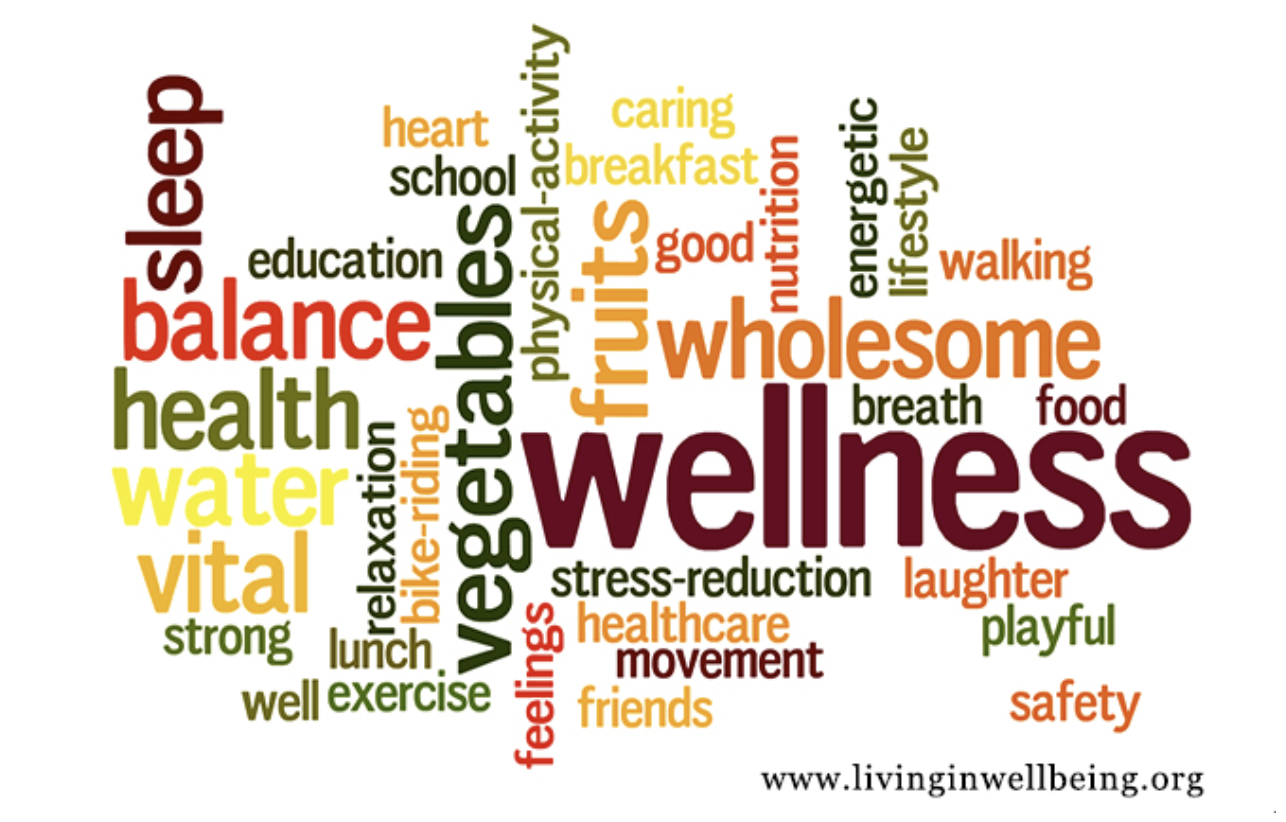
The primary goal of this course is to provide a comprehensive, student-centered approach to social, physical, emotional and academic learning for . The intern teachers will research and implement best practices for appropriate character and identity development, positive mental health, physical health, social emotional wellness, and behavior intervention for students.

This course supports candidates who have finished their core coursework but still need to complete program assessments to earn their Preliminary Credential. To maintain their District Intern Credential eligibility, candidates must stay enrolled in a clinical practice course. During each academic year, candidates will need to complete 6 formal observations (using 6 of the provided templates that align with their credential), log 144 General Support hours, 45 ELL Support hours, and continue working towards the total 600 fieldwork hours required for program completion.
COURSE SUMMARY
This course is designed to support intern candidates who have completed program coursework through a developmental and sequential set of activities that afford the candidate the opportunity to integrate and apply theoretical and pedagogical coursework and reflect on the Multiple Subject, Mild to Moderate, or Extensive Support Needs Teaching Performance Expectations (TPEs) through observations and MCOE Supervisor feedback. While enrolled in this class, the intern candidate is supervised by district mentor and MCOE Advisor who provide formative and timely performance feedback. These individuals are chosen based on criteria outlined by the CTC in the Multiple Subject and Education Specialist Credential Standards.

This course is designed for candidates who began their ESN program in Fall 2023, meaning they would have completed Observation Protocols 1-6 in Fall 2023, Observation Protocols 7-12 in Spring 2024, and Observation Protocols 13-18 in Fall 2024. In this course, ESN candidates will complete Observation Protocols 19-24.
COURSE SUMMARY
This course is designed to support fourth-semester intern candidates through a developmental and sequential set of activities that afford the candidate the opportunity to integrate and apply theoretical and pedagogical coursework and reflect on the Extensive Support Needs Teaching Performance Expectations (TPEs) through observations and MCOE Advisor feedback. While enrolled in this class, the intern candidate is supervised by district employees and MCOE Advisor, who provide formative and timely performance feedback. These individuals are chosen based on criteria outlined by the CTC in the Education Specialist: Extensive Support Needs Program Standards.

This course is designed for candidates who began their ESN program in Fall 2024, meaning they would have completed Observation Protocols 1-6 in Fall 2024. In this course, ESN candidates will complete Observation Protocols 7-12.
COURSE SUMMARY
This course is designed to support second-semester intern candidates through a developmental and sequential set of activities that afford the candidate the opportunity to integrate and apply theoretical and pedagogical coursework and reflect on the Extensive Support Needs Teaching Performance Expectations (TPEs) through observations and MCOE Advisor/faculty mentor feedback. While enrolled in this class, the intern candidate is supervised by district employees and MCOE Advisor, who provide formative and timely performance feedback. These individuals are chosen based on criteria outlined by the CTC in the Education Specialist: Extensive Support Needs Program Standards.
This course is designed for candidates who began their MS program in Fall 2023, meaning they would have completed Observation Protocols 1-6 in Fall 2023, Observation Protocols 7-12 in Spring 2024, and Observation Protocols 13-18 in Fall 2024. In this course, MS candidates will complete Observation Protocols 19-24.
COURSE SUMMARY
This course is designed to support second-semester intern candidates through a developmental and sequential set of activities that afford the candidate the opportunity to integrate and apply theoretical and pedagogical coursework and reflect on the Multiple Subject Teaching Performance Expectations (TPEs) through observations and MCOE Advisor/faculty mentor feedback. While enrolled in this class, the intern candidate is supervised by district employees (mentor teacher) and MCOE Advisor/faculty mentor and their instructor who provide formative and timely performance feedback. These individuals are chosen based on criteria outlined by the CTC in the Multiple Subject Credential Standards.

This course is designed for candidates who began their MMSN program in Fall 2024, meaning they would have completed Observation Protocols 1-6 in Fall 2024. In this course, MMSN candidates will complete Observation Protocols 7-12.
COURSE SUMMARY
This course is designed to support second-semester intern candidates through a developmental and sequential set of activities that afford the candidate the opportunity to integrate and apply theoretical and pedagogical coursework and reflect on the Mild to Moderate Support Needs Teaching Performance Expectations (TPEs) through observations and MCOE Advisor/faculty mentor feedback. While enrolled in this class, the intern candidate is supervised by district employees (mentor teacher and administrator) and MCOE Advisor/faculty mentor, who provide formative and timely performance feedback. These individuals are chosen based on criteria outlined by the CTC in the Education Specialist: Mild to Moderate Support Needs Program Standards.

This course is designed for candidates who began their MS program in Fall 2023, meaning they would have completed Observation Protocols 1-6 in Fall 2023, Observation Protocols 7-12 in Spring 2024, and Observation Protocols 13-18 in Fall 2024. In this course, MS candidates will complete Observation Protocols 19-24.
COURSE SUMMARY
This course is designed to support second-semester intern candidates through a developmental and sequential set of activities that afford the candidate the opportunity to integrate and apply theoretical and pedagogical coursework and reflect on the Multiple Subject Teaching Performance Expectations (TPEs) through observations and MCOE Advisor/faculty mentor feedback. While enrolled in this class, the intern candidate is supervised by district employees (mentor teacher) and MCOE Advisor/faculty mentor and their instructor who provide formative and timely performance feedback. These individuals are chosen based on criteria outlined by the CTC in the Multiple Subject Credential Standards.

This course is designed for candidates who began their MS program in Fall 2023, meaning they would have completed Observation Protocols 1-6 in Fall 2023, Observation Protocols 7-12 in Spring 2024, and Observation Protocols 13-18 in Fall 2024. In this course, MS candidates will complete Observation Protocols 19-24.
COURSE SUMMARY
This course is designed to support second-semester intern candidates through a developmental and sequential set of activities that afford the candidate the opportunity to integrate and apply theoretical and pedagogical coursework and reflect on the Multiple Subject Teaching Performance Expectations (TPEs) through observations and MCOE Advisor/faculty mentor feedback. While enrolled in this class, the intern candidate is supervised by district employees (mentor teacher) and MCOE Advisor/faculty mentor and their instructor who provide formative and timely performance feedback. These individuals are chosen based on criteria outlined by the CTC in the Multiple Subject Credential Standards.