 Migrant
Education is a national program that provides educational and support services to eligible migrant children each year. These services help children of migrant workers overcome the disadvantages they face including disruption to their education.
Migrant
Education is a national program that provides educational and support services to eligible migrant children each year. These services help children of migrant workers overcome the disadvantages they face including disruption to their education.
ADELANTE Academy students start here for a summary of what they will be doing and how they will progress through the ELA and Math courses.

- Teacher: Audry Garza
- Teacher: Amy Mejia

- Teacher: Duane Habecker
- Teacher: Emily Tietjen
- Teacher: Noelle Chandler
10 Modules designed to develop skills in competitive debate.
- Teacher: Amy Mejia
- Teacher: vserrato Serrato

10 Modules designed to develop skills in competitive debate.
10 Modules designed to develop skills in competitive debate.
- Teacher: Lupe Robles
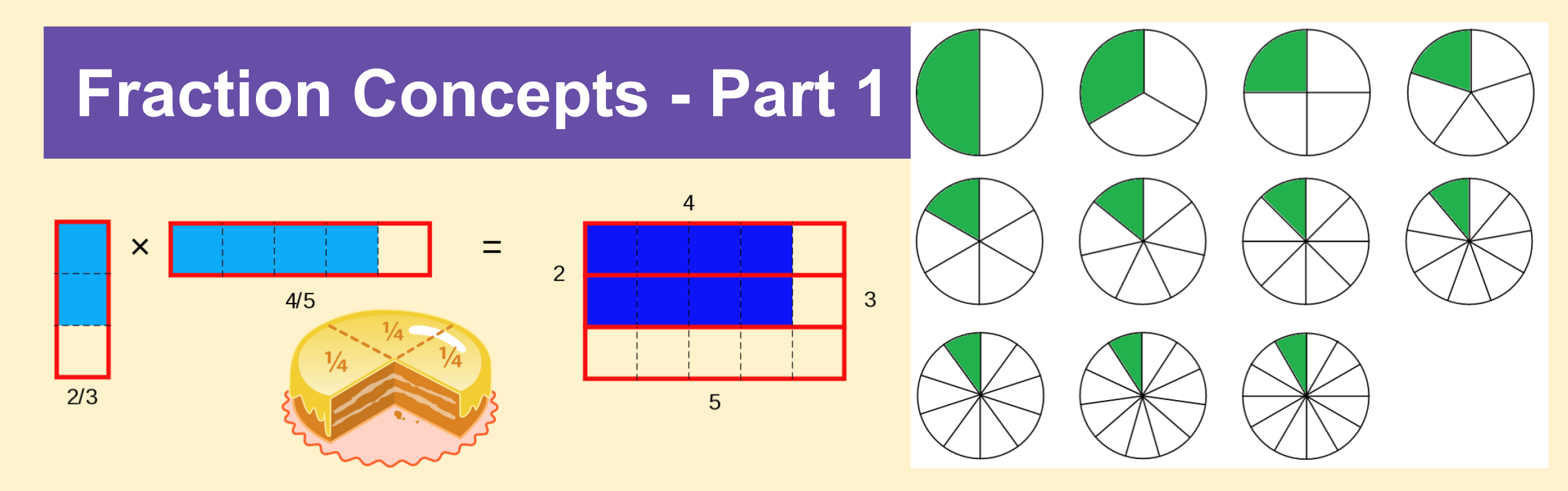
- Teacher: Veronica Enriquez
- Teacher: Veronica Enriquez
The module is designed to engage students in the ongoing, shifting debate about when an individual may
be considered an adult. Throughout the module, students develop conceptual understandings about how
legal ages for certain “adult” rights (e.g., drinking, driving, voting) are determined and how new research
continues to challenge our concept of what constitutes adulthood. Peer discussions and analytical reading
of multiple texts and media selections on the topic will strengthen students’ abilities to write
comprehensively and persuasively on the topic. Language analysis and language awareness building
activities will support students’ understandings about how to use language effectively to craft an effective
argument.
Module Learning Goals At the conclusion of the module, students will be able to
• Contribute to extended discussions, justifying claims with evidence • Identify the main arguments or claims within a text and the evidence and reasoning used to support them
• Analyze arguments for their rhetorical effectiveness, structure and organization, persuasive language
• Write and revise an argument, with a focus on organizational structure, rhetorical effectiveness, and academic language use
• Critique their own and others’ ideas and writing, using agreed-upon norms and evaluation criteria
- Teacher: Amy Mejia

A 10-lesson series of math experiences designed to develop and improve a student's mathematical mindset.